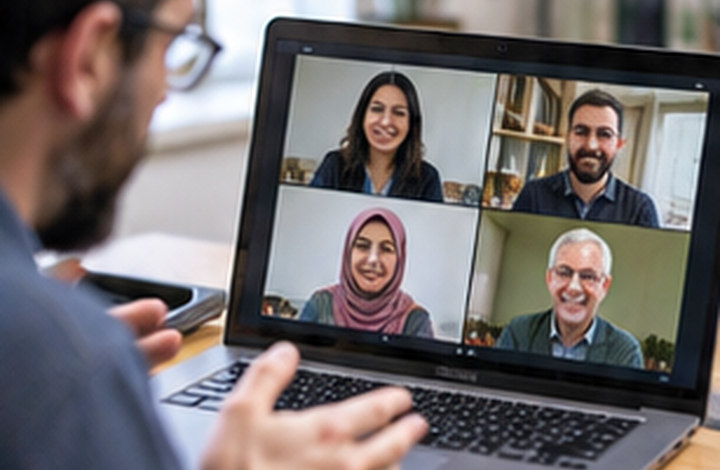
Public gatherings can be memorable, but most community relationships are built on ordinary days. People stay in touch by exchanging information, inviting neighbours to activities, helping someone find a local service and checking in when plans change. Digital tools can support those habits, provided they do not replace the real-world relationships at the centre of community life.
The One Day Without Us initiative was rooted in public solidarity with migrants in Britain. This article is a present-day practical reflection on how community groups can maintain connections after an event. It does not suggest that the original 2017 organisers used any particular app or digital platform.
A digital noticeboard is not yet a community
An online group can be useful for sharing accessible event details, maps, contact information and last-minute changes. It can also help volunteers divide tasks and tell members when a local gathering is happening. Yet a stream of messages is not the same as a welcoming community. Newcomers may not know the group’s unwritten rules, and less confident members can be overlooked.
A good starting point is a small set of clearly explained digital social spaces: perhaps a group chat for event logistics, a public page for announcements and a simple email update for people who prefer not to use social media. The choice should follow participants’ needs, not whichever platform is currently fashionable.
Digital exclusion is an inclusion issue
Not everybody has reliable internet access, a private device or the confidence to complete online forms. The British Red Cross has documented how digital exclusion can create barriers to services and social contact for people seeking asylum in England. Organisers should not assume that publishing a web link is enough to reach everyone who might benefit from an event.
Offer low-tech alternatives. A phone number or printed notice can supplement a booking form. Important directions should appear in plain language. Avoid requiring new volunteers to upload sensitive identification unless there is a genuine and lawful reason. If someone cannot join an online group, they should still be able to find out when the next meeting takes place.
Make room for different languages and communication styles
A multilingual message does not have to be elaborate to be useful. Short sentences, clear dates, a map and a contact person can do more than a long announcement full of unexplained abbreviations. Ask trusted members to help review translations where practical; automated tools can support preparation, but important information should be checked by a fluent speaker.
Some participants will be comfortable speaking in public and others will prefer written communication. A group can offer both. Moderators should create boundaries around harassment, unwanted commercial pitches and the sharing of other people’s stories without permission. Community trust is easier to damage than to rebuild.
Preserve stories without taking ownership of them
Photos, recordings and first-person accounts can help local groups remember what happened and encourage others to participate. Yet not every person wants their face, name or migration experience placed online. Before publishing, ask for meaningful permission and explain where the material will appear. Obtain additional safeguards where children or people in vulnerable situations are involved.
The Migration Museum’s community storytelling work demonstrates an approach in which people’s memories and objects help explain Britain’s migration histories. Local groups can learn from that emphasis on consent, context and the voices of contributors rather than treating every image as publicity material.
Blend online coordination with welcoming offline habits
Digital channels work best when connected to concrete opportunities to meet. An event invitation can lead to a shared meal, a guided walk, a workshop, a conversation circle or a volunteering project. People who first meet online may prefer a familiar venue and a clear point of contact when attending in person.
A practical rhythm is to publish a short recap after each event, invite feedback in more than one format and announce the next activity without overloading participants with messages. For groups exploring the history of local mobilisation, the site’s social media resources and local groups page offer background on the original campaign context.
Connection lasts when participation stays voluntary
The aim is not to make everybody sign up to the same platform. It is to offer several ways for residents to take part, contribute and stay informed. If digital tools help a newcomer find a friendly gathering, they have served a useful purpose. If they become a gatekeeping requirement, organisers should rethink the design.
For the wider context of civic solidarity and migration, visit the One Day Without Us homepage.