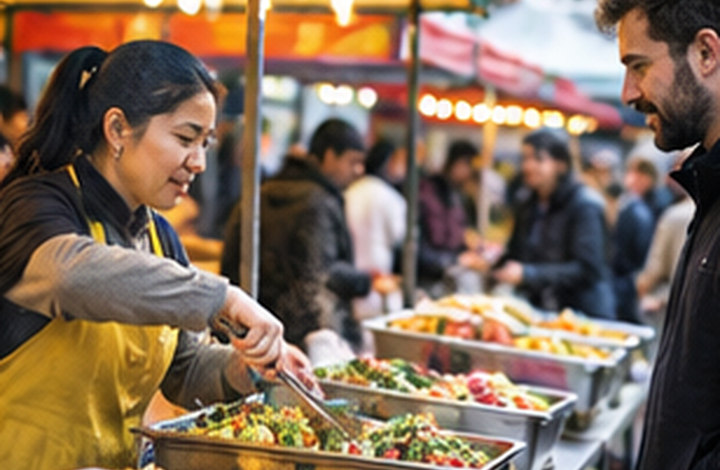
Food is one of the most familiar ways migration becomes part of daily life. What people cook depends on ingredients, trade, family memory, work and the places they have lived. British food culture has been shaped by movement for centuries, long before modern debates about immigration. Meals that feel completely ordinary today often contain histories of exchange and adaptation.
Britain has never eaten in isolation
The Historical Association’s writing on immigration and British food explains that the connection between movement and cuisine reaches much further back than the late twentieth century. Trading networks, imperial history, settlement and travel all influenced ingredients and eating habits. A culinary history that begins in 1948 would miss many earlier chapters.
This does not mean every popular dish can be attributed to one community or one person. Recipes change across households and generations, and labels that seem simple can conceal different regional practices. Good food history is specific: it asks who introduced an ingredient, how a recipe was adapted and what sources support the claim.
Restaurants are only part of the story
A restaurant may help introduce customers to unfamiliar flavours, but food culture is also made in homes, school kitchens, markets, religious gatherings and community centres. People transmit recipes while cooking for relatives, neighbours and friends. The small choices involved—where to shop, how to substitute ingredients, which traditions to retain—tell stories about belonging.
Migration can change existing traditions while also preserving cherished ones. A family may recreate a festival meal with locally available ingredients or develop a new practice that belongs to the next generation. Neither process is simply a story of assimilation or separation. It is often a conversation between memories and present circumstances.
Food gatherings and solidarity
One Day Without Us included community gatherings and celebrations alongside protests. Shared food can offer an approachable way for neighbours to meet and exchange stories, although a meal is not a substitute for listening to people’s concerns about rights or discrimination. An inclusive organiser should consider dietary needs, accessibility, cost and the preferences of participants.
It is also important not to expect a migrant speaker to explain an entire national cuisine. The more respectful question is personal and optional: what food, if any, is meaningful to that person? The principles in preserving community stories apply just as strongly to recipes and family photographs.
Looking beyond simple celebration
Food stories can open a door into histories that were not always welcoming. They may involve unequal labour, racial discrimination, imperial power or difficulties finding work. A richer account celebrates creativity without hiding those challenges. Archives and museums can help place a dish or family business within its historical context.
The larger point is that British culture has been made through interaction, not by communities living in sealed compartments. Shared tables are one visible expression of a much wider set of relationships. Read about migrant businesses and local high streets to see how these encounters also shape neighbourhood economies.