The term “Windrush generation” refers to an important part of Britain’s post-war history, especially people who moved from Caribbean countries to the UK in the decades after the Second World War. It is often associated with the arrival of the Empire Windrush in 1948. Yet Britain’s history of migration is much longer than one ship, and the lives of the people who travelled cannot be reduced to a single narrative.
A symbol of a wider movement
The National Archives holds passenger lists and other records that help researchers trace post-war journeys. It also highlights arrivals on ships such as the Ormonde and Almanzora before the Windrush. Focusing on one famous moment can help tell a story, but a symbol should not hide the many routes, years and reasons for migration.
People came for work, family, education and other reasons, and they met different opportunities and obstacles on arrival. Caribbean migration must also be considered alongside movement from elsewhere in the Commonwealth and beyond. Britain’s cultural and institutional history has been shaped by those many crossings.
Work, public services and civic life
Post-war Britain depended on the labour of people in sectors including transport, manufacturing and healthcare. Migration Museum exhibitions have explored the experiences of people who helped build and sustain the NHS. Community organisations, places of worship, businesses and creative groups also developed through these histories. Individual experiences varied substantially, even among people who arrived in similar periods.
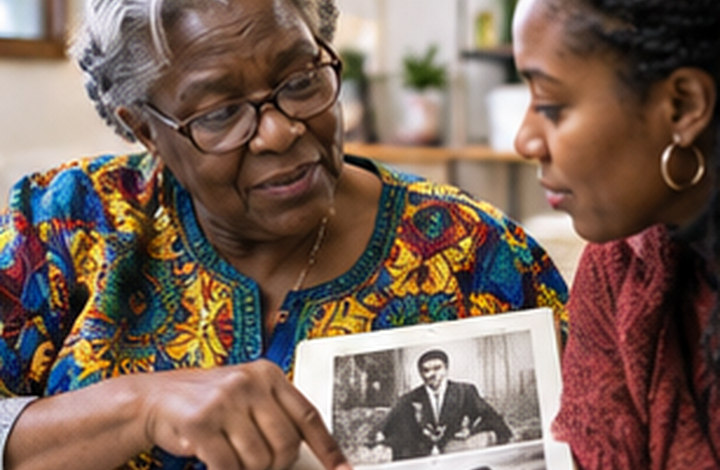
It is therefore useful to combine national records with oral histories and family documents. An employment card may tell us where someone worked; a recorded interview can reveal what the job felt like. Neither type of source replaces the other. Read more in migration and the making of the NHS.
Citizenship and the Windrush scandal
The history includes profound injustice. Government reviews and research have documented how some people who had lived legally in the UK for decades were wrongly denied rights, threatened with removal or otherwise harmed by official actions. The Windrush scandal made clear that belonging, paperwork and recognition can diverge in painful ways.
Articles on this topic should be precise about legal periods and avoid using general explanations as personal immigration advice. They should also resist implying that all people of Caribbean heritage experienced the same administrative circumstances. Accuracy is especially important when discussing citizenship or entitlements.
Connecting memory to public conversation
In 2017, One Day Without Us asked people to recognise migrants’ contributions during a different political moment. It did not originate the Windrush story and should not be presented as a substitute for that history. But its emphasis on visibility and belonging belongs within a broader tradition of communities making their presence heard.
Students and local historians can begin with the National Archives, migration-history projects and personal accounts gathered with permission. The goal is not to convert complex lives into a neat lesson. It is to understand how Britain’s institutions, culture and neighbourhoods have developed through movement and participation. For approaches to respectful documentation, see preserving migrant stories.